
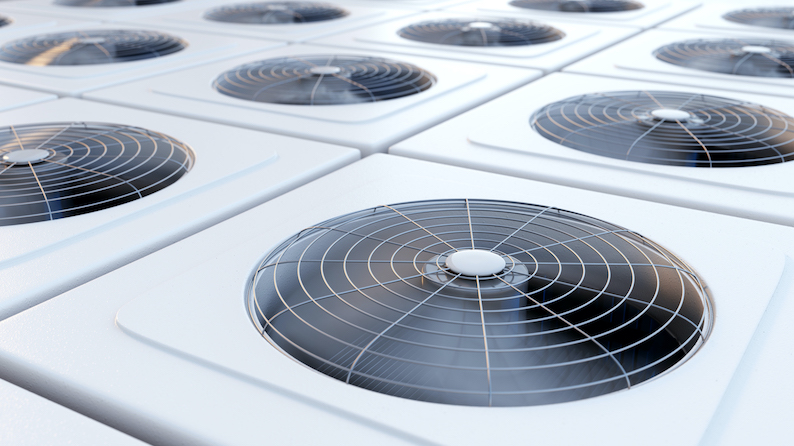
A comfortable working space is something many of us take for granted. Fresh air, the perfect temperature, and no harmful fumes or irritants, all of which combine to create productive spaces. But the truth is, this doesn’t happen by chance. Industrial ventilation systems play an integral role in keeping workplaces comfortable and safe, circulating clean air and removing impurities and stale air. This allows businesses to enjoy healthy working environments and to support better employee wellbeing.
Poor air quality and stuffy rooms are a recipe for disaster in any organisation. From factory floors to corporate offices, a pleasant working environment keeps teams productive and efficient. It also ensures businesses comply with certain regulations surrounding employee safety.
Ventilation systems are usually used within broader HVAC installations to ensure air quality is kept to the highest quality. In this article, we delve into the benefits of using these systems within a building and tips for getting started.
Benefits of Industrial Ventilation Systems
Air Quality
The underlying benefit of ventilation systems is better air quality.
Improved air quality also helps provide health benefits for employees and those using the space. Poor air quality can exacerbate certain health conditions, such as acne, asthma and allergies. This can have a significant impact on any employee who may suffer from such conditions and lower their overall wellbeing at work.
Remove Fumes and Impurities
In relation to air quality, ventilation systems help to remove fumes and impurities in the air. For industrial settings, these fumes can be potentially dangerous, and consequently having a reliable system to remove and process them is a must.
The benefits extend beyond just industrial settings, and every building can benefit from removing impurities. Odours, bacteria, dust, humidity, and everyday pollutants can all be reduced by ventilation systems. In some settings, opening the window may not invite the fresh air you hoped, as car fumes and other external pollutants enter the building. Instead, ventilation systems can create consistency in the fresh air that enters and circulates a building.
Comply with Regulations
It should come as no surprise that there are laws and regulations surrounding ventilation, heating and cooling. Inadequate measures can not only be uncomfortable, but also dangerous. As a result, building managers and businesses should familiarise themselves with regulations relating to their business.
Any workplaces handling potentially dangerous fumes will undoubtedly have to meet strict standards to ensure employee safety.
Reduce Temperature
When lots of people are confined to a small space, it can often create a stuffy environment. It feels hot, uncomfortable and overall, not a very pleasant workplace. The body heat from everyone keeps the space feeling hot and the lack of fresh air becomes very apparent.
Ventilations helps circulate fresh air into the space and removes the hot, stuffy air, creating a better atmosphere.
Particularly in summer months, this can greatly improve the working conditions for smaller spaces, such as meeting rooms or shared offices.
Prevent Damp and Mould
Without adequate ventilation, buildings can be vulnerable to all sorts of problems associated with damp and mould. Certain buildings will be more prone to these problems than others, but all buildings can benefit from reducing the build-up of damp and condensation.
In colder months, when the heating is on full blast for most of the day and the windows firmly closed, ventilation ensures buildings feel fresh and inviting. Problems such as damp and mould can worsen over time if not addressed so this is certainly something to be aware of and could avoid costly bills down the road.
Energy Efficiency
Ventilation helps improve energy efficiency by reducing the need to open windows for fresh air. Many workplaces will combat poor building ventilation by having windows open. In winter months, this means having the heating on full blast to compensate for the loss of hot air through the windows. This becomes incredibly inefficient and will likely lead to sky rocketed energy bills.
HVAC Installations
HVAC is a facilities management term used to describe the heating, ventilation and air conditioning systems within a building. It is commonplace for building managers and businesses to design and install all aspects of HVAC at once. This creates the additional benefit of being able to sync heating, cooling and ventilation from the start and ensure all systems work in unison.
Here at MFM Group, our commercial heating services include project management, resident engineering staff, mobile technicians, power monitoring, energy management, design installations, refurbishments and specialist coordination. Learn more about MFM heating.
In relation to air conditioning, we install and maintain air conditioning equipment from a wide range of reputable manufacturers that include: Airedale, Airwell, Carrier, Daikin, Fujitsu, Hitachi, IMI Marstair, Mitsubishi, Panasonic, Toshiba and York and our skilled and industry certified engineers have many years’ experience across all makes. Learn more about MFM air conditioning.
Learn More About MFM Group
Here at MFM Group, we provide a wide range of industry-leading mechanical and electrical services, including industrial ventilation. Our experience covers a wide variety of businesses and environments, including commercial offices, schools, universities and academic organisations, local authority buildings, laboratories, retail premises, leisure complexes and an assortment of listed buildings.
We can design and install new systems or provide ongoing assistance and maintenance to your existing systems. With access to the very best specialist engineers, we can guide you through all the possibilities in M&E services to ensure your requirements are met and your expectations are exceeded.
Our engineers are always on emergency call 24 hours a day, 365 days a year, giving you peace of mind.
Contact us today to get started.