
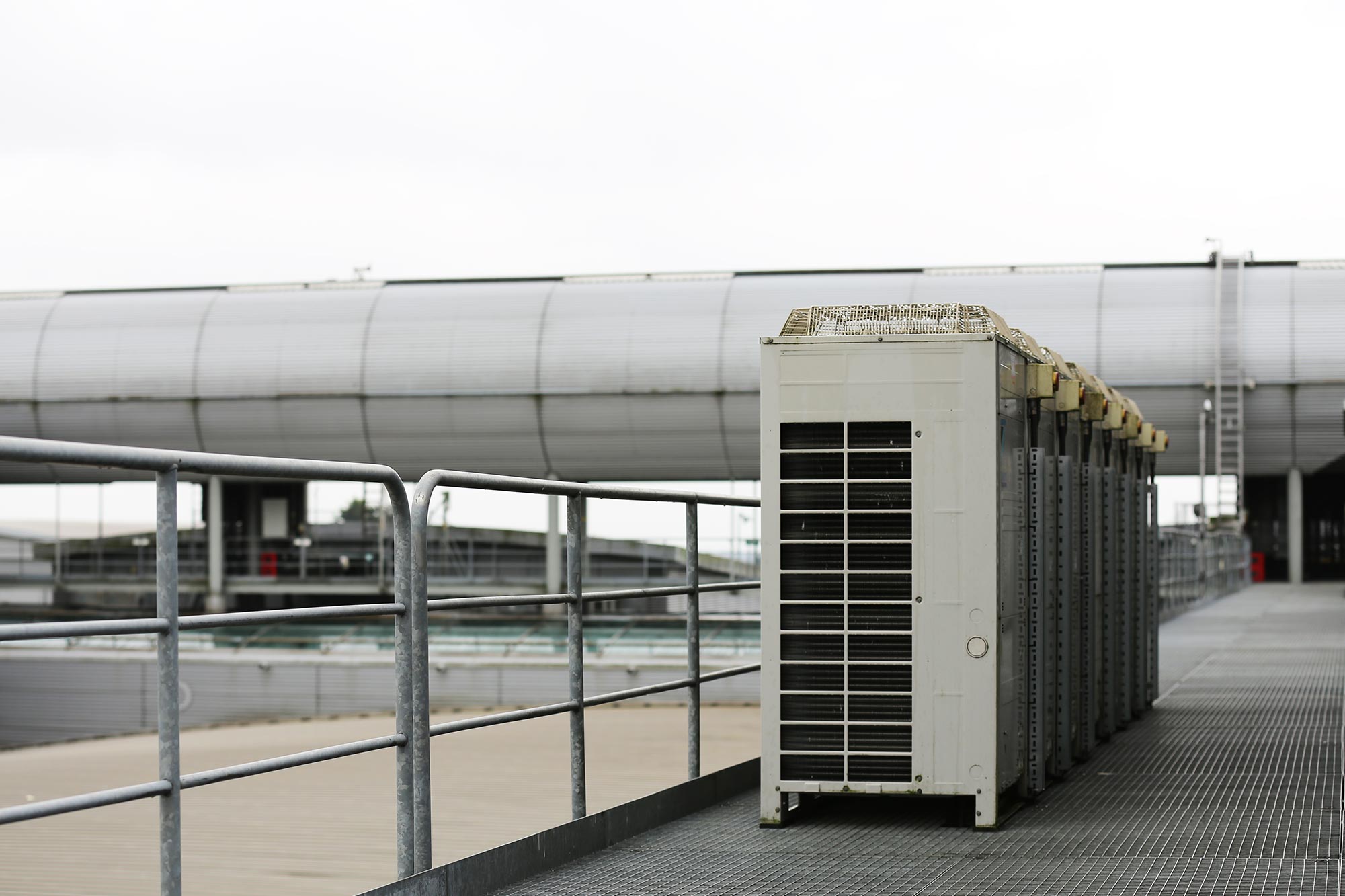
In offices and commercial and industrial buildings, controlling the temperature is essential given the long durations of time staff are likely to spend there. Feeling comfortable in an interior space directly impacts a person’s mood and concentration, so by working in optimal conditions, people are more likely to think and work better, which in turn increases productivity and efficiency. If you regularly have customers or clients visiting your premises, maintaining a comfortable temperature will also help to ensure their experience with you is a pleasant one.
So, how can you control the temperature of your building? In this mini guide we’ve explained some of our top tips.
Building Size & Layout
The first thing to consider is the size and layout of your building. Large, multi-storey buildings will inevitably require different systems to a small, 4-person office, for example.
You need to evaluate the areas where your staff spend most of their time and if you keep stock on-site, you need to put measures in place to satisfy their needs. Also, how much of your building is exposed to natural sunlight? Do you have large windows? Factors like these all have an effect on how you can best control your building’s temperature.
If you are unsure as to what systems and measures you can implement to effectively regulate your building’s temperature, arrange for an expert to visit. They’ll be able to assess the intricacies of your property and advise on the systems which will cost-effectively help you.
Air Conditioning Systems
For many types of buildings, installing an air conditioning/cooling system is likely to be one of the most effective ways of controlling the temperature. In simple terms, they operate by removing the existing heat and moisture in the room and dispersing cold air, therefore cooling down the temperature in the inside space.
Various types of cooling systems are available, so your specific requirements will dictate which one is best for you.
Single Split Air Conditioning Systems
Single split systems are the most common type of AC systems and are typically utilised by small commercial buildings like cafés, restaurants and offices. Tending to be cheaper than other types of cooling systems, single split systems are made up of an outer and inner component connected by an electric cable and two copper pipes which refrigerants flows to and from the internal and external components.
Multi Split Air Conditioning Systems
Multi split systems work in an almost identical way to single split systems. The only difference, however, is that each indoor component doesn’t need its own outdoor component. Instead, all indoor components can be connected to a single, larger outdoor component. This type of system is suited to large office spaces, retail shops and other buildings with numerous walls and/or floors.
VRV & VRF Air Conditioning Systems
Variable Refrigerant Volume (VRV) and Variable Refrigerant Flow (VRF) systems are often the most efficient option for medium to large-sized properties, like a mixed-use building or hotel. Although they function in the same way as traditional air conditioning systems, instead of utilising one large unit to pump air to the whole space, the system incorporates several smaller air handlers, all of which can be controlled individually and piped back to one system. This provides the ability to control the amount of refrigerant which flows to each of these small air handlers.
For more information on the different types of air conditioning systems, check out our previous blog: Types of Air Conditioning Systems.
Heating Systems
Another option you have when it comes to controlling your building’s temperature is to install a heating system, such as an oil or boiler heating system. Heating oil or gas, these systems work by heating water that is then used to provide central heating (via your radiators) as well as provide hot water.
Gas is a more environmentally friendly fuel as it produces less carbon emissions when burned, so this is a better option for the environment. However, heating oil is generally slightly cheaper, so if you have a smaller budget, this may be your preferred option.
Low Budget Heating & Cooling Solutions
There is also a selection of simple things you can do to control the temperature of your building –
- Fans & Portable Heaters – Desk and ceiling fans are great low budget solutions for helping to keep your building cool. On the other hand, portable heaters can help to keep staff warm during the colder months.
- Reflecting & Screening – Installing reflective window film that redirects sunlight away can help to keep the heat down.
- Insulating Floor Covering – Insulating floor coverings can help employees who have to stand on cold floors for long periods of time.
- Insulating Materials – Placing insulating materials around hot plants and pipes can help to keep the temperature down.
Air Conditioning & Heating Bristol with MFM
Here at MFM, we are one of the leading HVAC contractors in Bristol and the South West of the UK. We offer professional design, installation and maintenance services of air conditioning and heating systems to buildings of all sizes. If you’re looking for reliable help on how to efficiently control the temperature of your building, please don’t hesitate to get in touch with our friendly team today.
Our Gas Safe and Oftec registered engineers will provide you with comprehensive service and support to ensure cost-effective maintenance and Legal Compliance.
See more: Fire and Security Tips for Commercial Buildings
See more: Best Air Conditioning Manufacturers for Commercial Buildings and Business Use